

Summary
A work truck’s long term value comes from the small details that shape daily use. Spending a few hundred dollars on upgrades like pull out steps can pay off over a 10 year service life through better access, lower strain and fewer safety risks. Package builds often beat retrofits by ensuring efficient use of space at the front end to streamline operations in the field. Financing can help individual buyers and fleet operators spec the right builds up front.
Design Your Truck For the Next 10 Years: Why Small Details Make a Big Difference for Operators
| Time to Read | ~10-12 minutes |
| What You’ll Learn |
|
| Next Steps |
|
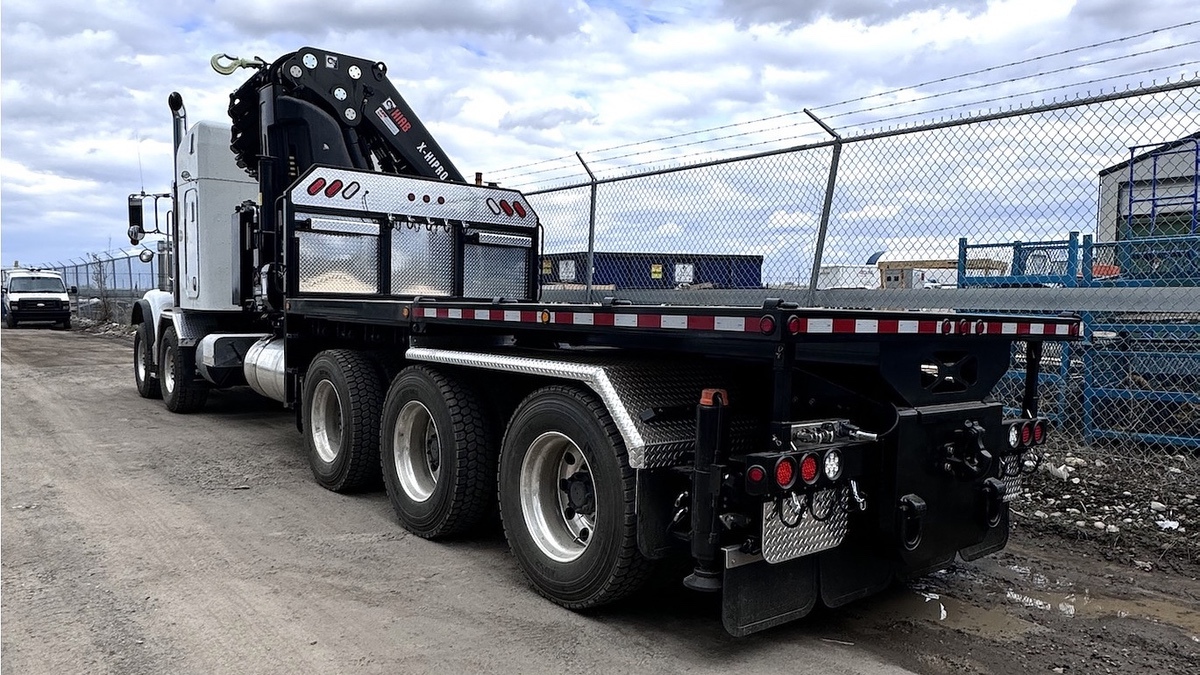
The way your truck performs is about more than its deck length or load capacity. Those details are important, but the difference between a good work truck and a truly great one often comes down to less obvious factors.
How efficient is the layout of your deck? How reliable is the quality of the welding or the finish? Are the doors of your storage cabinets reinforced for security and weather protection?
These are the questions you and your fabrication team should discuss before you invest in a custom truck deck or service body. You should also approach your build with the goal of being able to use it for the next decade without needing to make major changes.
Below, our team at Core Fabrication explains how paying attention to the finer points at the front end of a deck build saves you money in the long term by helping you avoid expensive retrofits. We’ll also show you how planning upgrades in advance improves your operational efficiency over time by preventing future clutter from piecemeal additions.
The Costs of “Small Upgrades” vs. The Cost of Ignoring Them
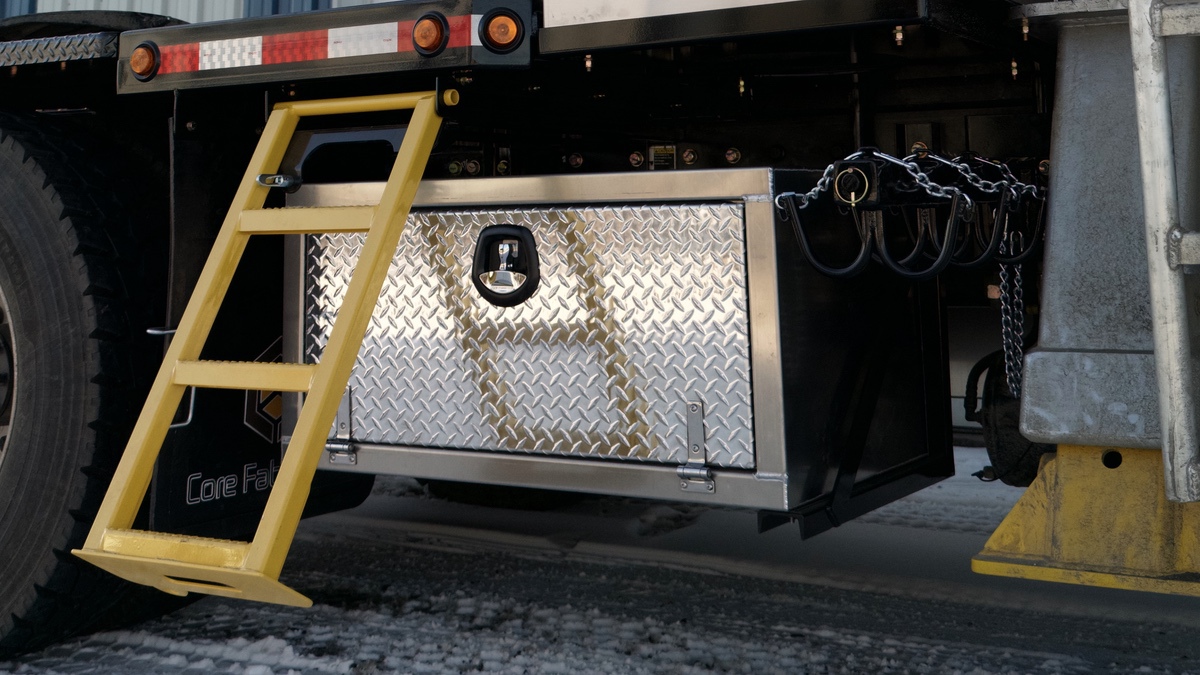
Operators sometimes believe they will save money on a custom build by leaving out seemingly minor features. Pull out steps are a common example.
Many buyers see the line item and pause. A set of steps might run about $400 to $500. It feels like a lot to pay for something a lot of operators consider optional.
But over a 10 year working life, that cost is small. And the enhanced accessibility that these steps provide saves precious time and physical energy whenever you need to climb up to the deck.
Small upgrades are rarely pointless. They may not alter the core functionality of your truck but the benefits they provide can have significant long term impacts on your career when you use them every day.
When you invest in an upgrade like this at the front end the cost gets divided over time. But the benefits stack up.
Related: 11 Essential Roofing Truck Enhancements We Can Add to Every Build
The Downstream Costs of Cutting Corners
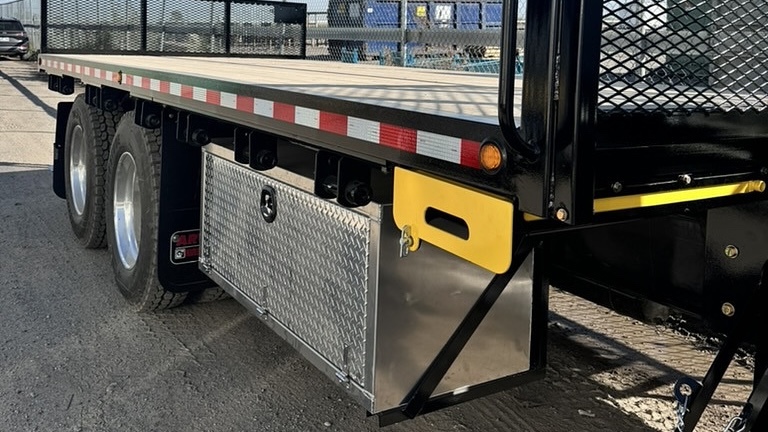
When you skip over these details you end up with the opposite result. That few hundred dollars you saved up front probably isn’t something you will notice after a decade. But you might notice the joint pain caused by a decade of hauling yourself up onto the deck whenever you need to tie down equipment or unload materials.
Most long term costs do not show up on the quote. They show up later as:
- Injuries and near misses
- Lost time on routine tasks
- Damage from awkward access
If a truck is built without key access and workflow details, the operator still has to do the job. They just do it the hard way.
The hard way has a cost.
Why Packages Beat Retrofits
Upgrades are almost always more cost effective when they are designed into the build instead of added later. Retrofit work often involves working around constraints you did not plan for.
Some of the examples we hear about most often from operators who have encountered retrofitting problems include:
- Existing layouts that do not have room for new features unless older ones are moved
- Existing wiring that can limit the placement of lights and other electrical systems
- Existing mounting points that can require complex structural modifications
- Finish work that becomes damaged during the retrofit and must be repaired afterwards
Even when retrofitting is possible it is rarely clean. It takes longer and often forces compromises.
Planning your upgrades in advance and having them built into your initial package avoids these problems.
You choose the details up front. The layout supports them. The final build supports your career for years to come.
Design Once to Avoid Paying Twice
The front end clarity of a custom build is what makes it cost effective.
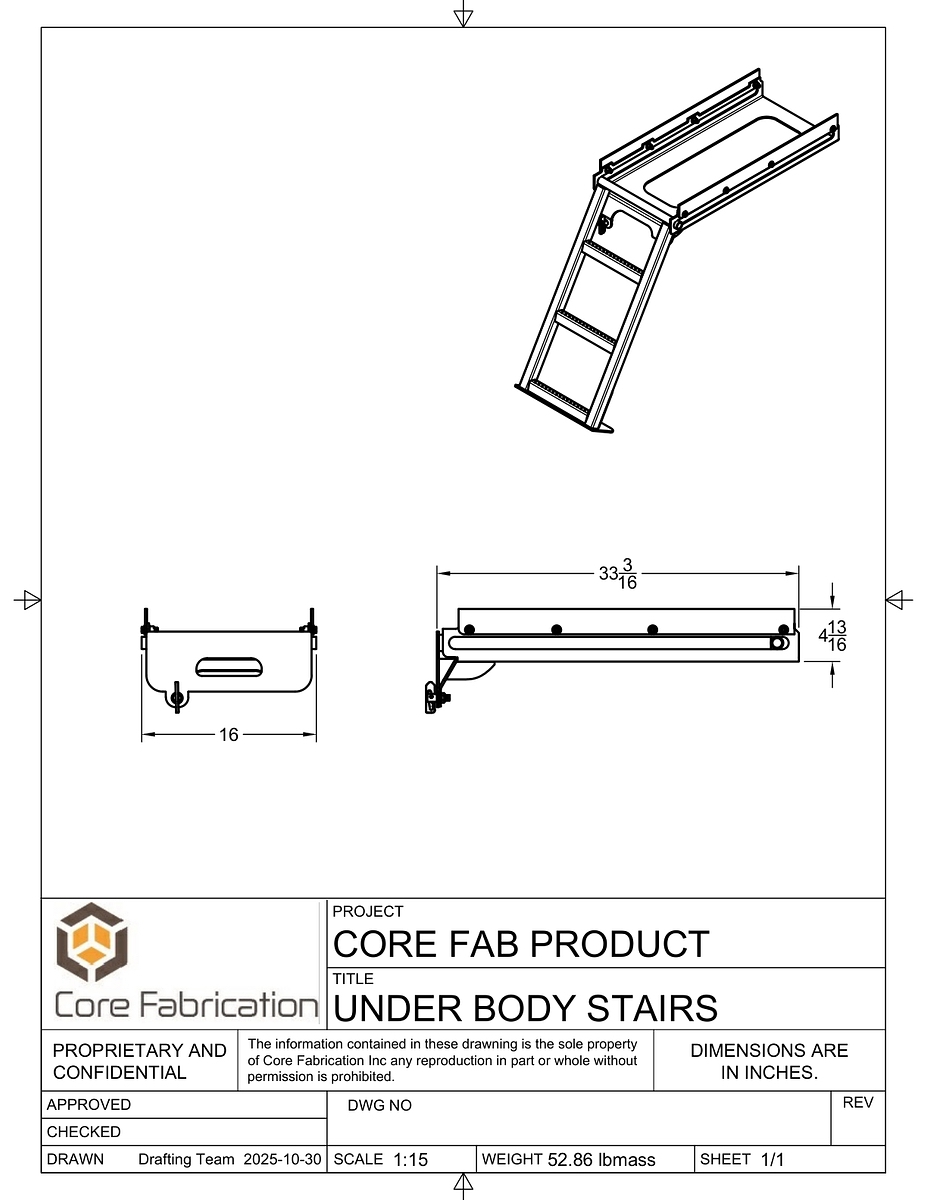
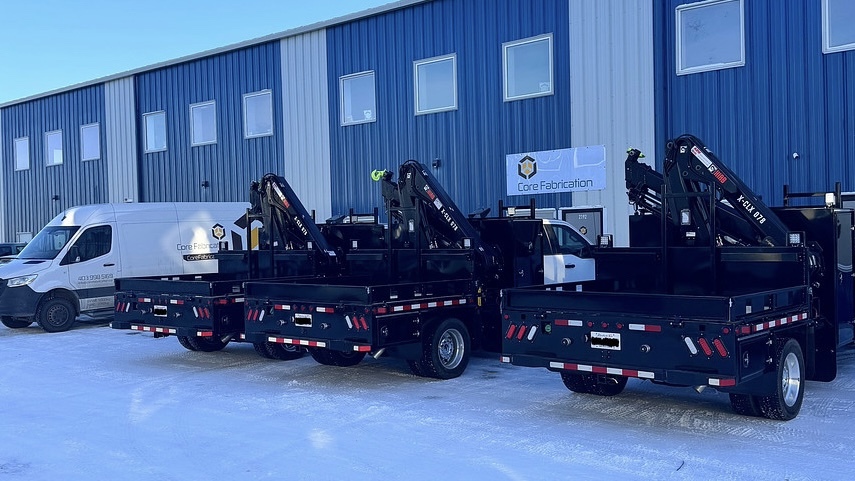
Core Fabrication’s goal whenever we plan a deck or service body package is to remove guesswork from the process as early as possible. That is why we produce drawings and renderings that let you see how the build will be produced and have you sign off before steel is ever cut.
This matters because design details cascade:
- Steps affect access.
- Access affects where storage can go.
- Storage affects how the load is distributed.
- Load distribution affects performance and compliance.
Deciding to add features or systems down the road carries a risk that you will end up paying to undo work that was already done. Deciding on everything you will need before the initial build produces an end result that is more practical and consistent over years of use.
Fleet Buyers Have a Different Problem
Owner operators usually feel pain fast. If a truck deck or service body is awkward, they live with the consequences every day from the moment they start using it.
Fleet buyers are not impacted as quickly. But the impact on them can be much greater.
A fleet buyer who orders trucks for a different region likely will not learn that there are problems with them until they arrive. By the time operators experience efficiency problems and start complaining, the money has already been spent and the trucks are already far away.
The buyer now faces the following costs in addition to modifying the layout to correct the issue:
- Shipping the trucks back to the builder
- Lost revenue from operational downtime
- Billable time spent scheduling and coordinating
- The loss of efficiency from using the affected trucks before they were recalled
That is why fleet planning must always include the end user’s perspective. A truck that is merely “good enough” on paper is often a liability in the field.
Improving Quality Control by Communicating with Operators
Core Fabrication bridges the gap explained above by directly consulting individual operators during fleet builds. Asking to speak directly with the people who run the trucks helps us confirm:
- What tools they carry on a daily basis
- What access points are used most and where they need to be positioned
- What features and systems their work requires
- What safety issues appear most often
This high touch approach saves money because it reduces rework. It also saves money because it helps fleets standardize their builds based on what actually works and choose the most efficient packages for future projects.
Financing Makes Up Front Choices Easier
Core Fabrication offers financing options for individual buyers as well as fleet purchasers. This option can make it easier to spec a build correctly on day one instead of delaying practical upgrades that will be needed later.
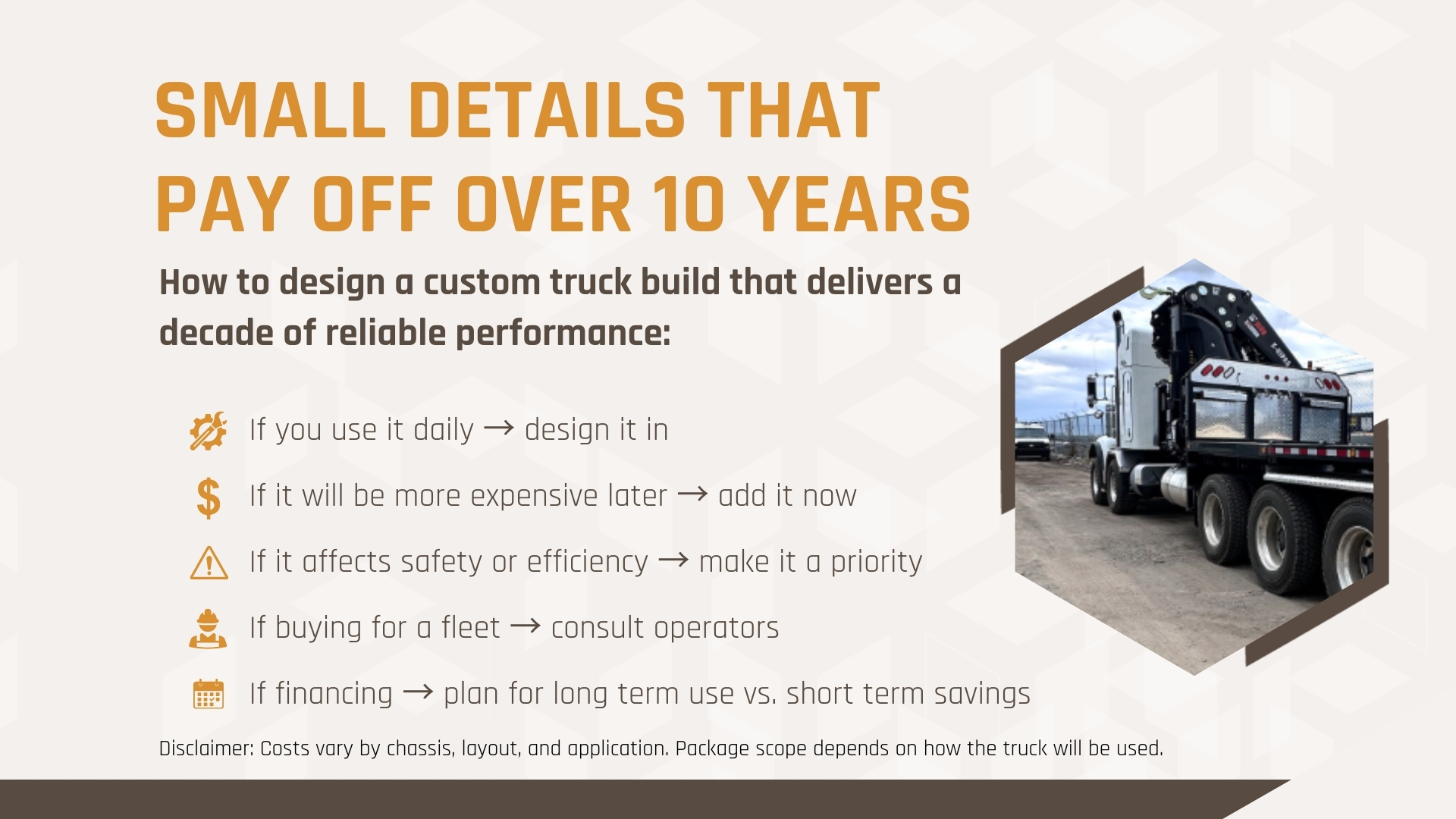
When a truck can be financed, buyers stop asking whether they can skip an upgrade. Instead, they have the freedom to consider the costs they want to avoid over the next 10 years.
If you are interested in financing your custom deck build or service body, contact our team. We will be happy to put together a deal that matches your needs and budget.
Build the Truck You Will Still Want in a Decade
Most regret on work trucks comes from skipped details.
Not because the buyer was careless. Because the buyer focused on purchase price instead of service life.
When you contact Core Fabrication and request a quote, be sure to tell us about the full scope of your operational requirements. Our team will help you plan the upgrades you need as part of a cohesive package and work to control costs for the final build.