

Summary
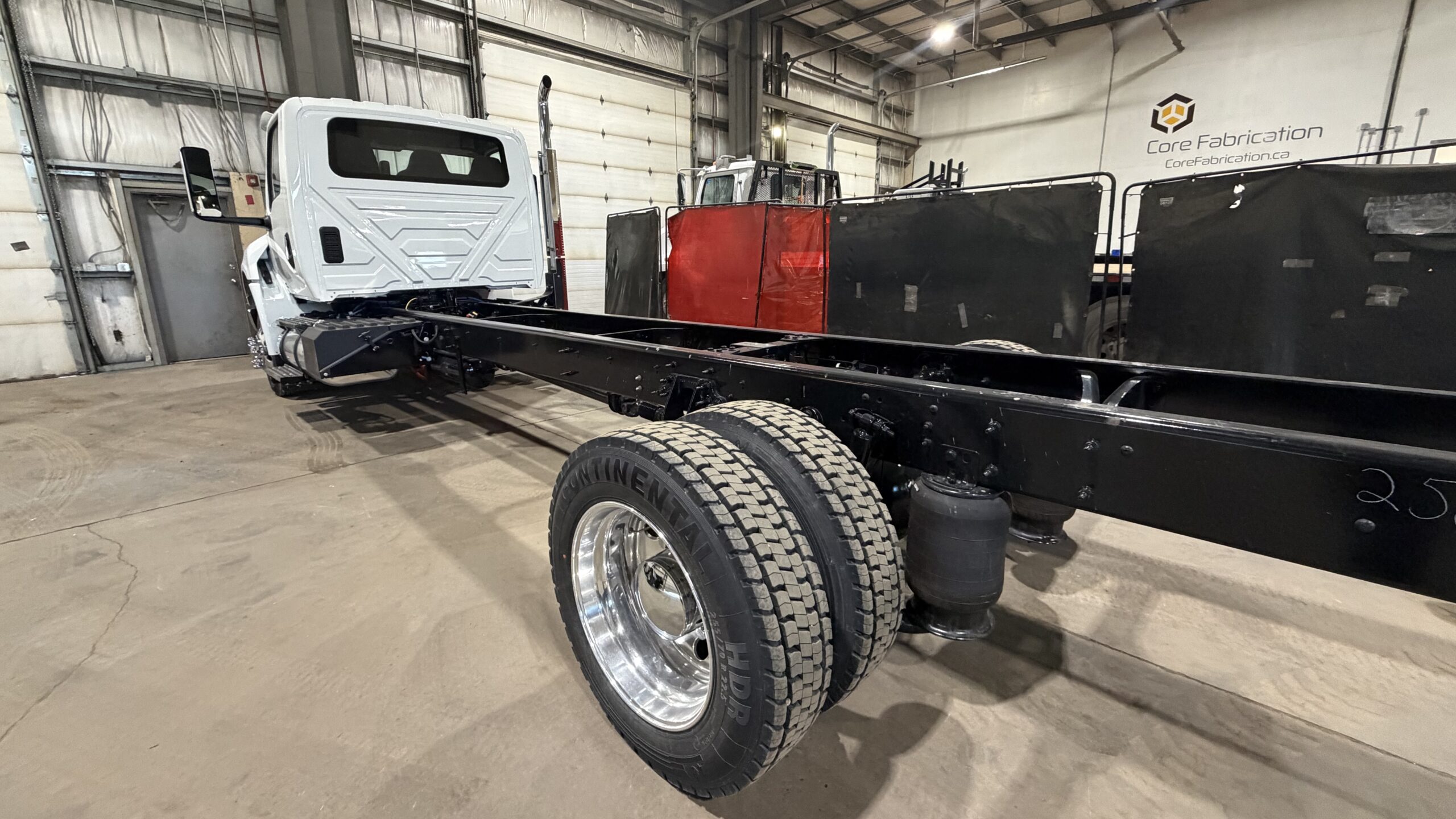
Axle rollbacks reconfigure a truck’s wheelbase by moving the rear axles forward or back on the existing chassis. This is most common on heavier commercial trucks where load placement and axle weights must align with DOT requirements, and where upfits vary widely by application.
| Time to Read | ~6–8 minutes |
| What You’ll Learn |
|
| Next Steps |
|
The truck that was right for the work you did last year may be wrong for the work you do now.
That does not necessarily mean you need to buy a new one.
This happens more often than most buyers expect. You find a chassis with the right engine. The right rating. The right capacity. Then you realize the wheelbase does not match the body you need to run.
Dealers do not always have the exact wheelbase you want on the lot. Lead times can be long.
Some operators choose to buy what is available, then correct the wheelbase so the truck can be upfit properly. The process that achieves this is called an axle rollback.
As leading custom metal fabricators in Calgary, Core Fabrication performs axle rollback services in addition to building custom deck and service bodies for our clients. Read on and learn how our detailed approach to this process helps operators save time and money while continuing to use the vehicles they know and trust.
Axle Rollbacks Explained
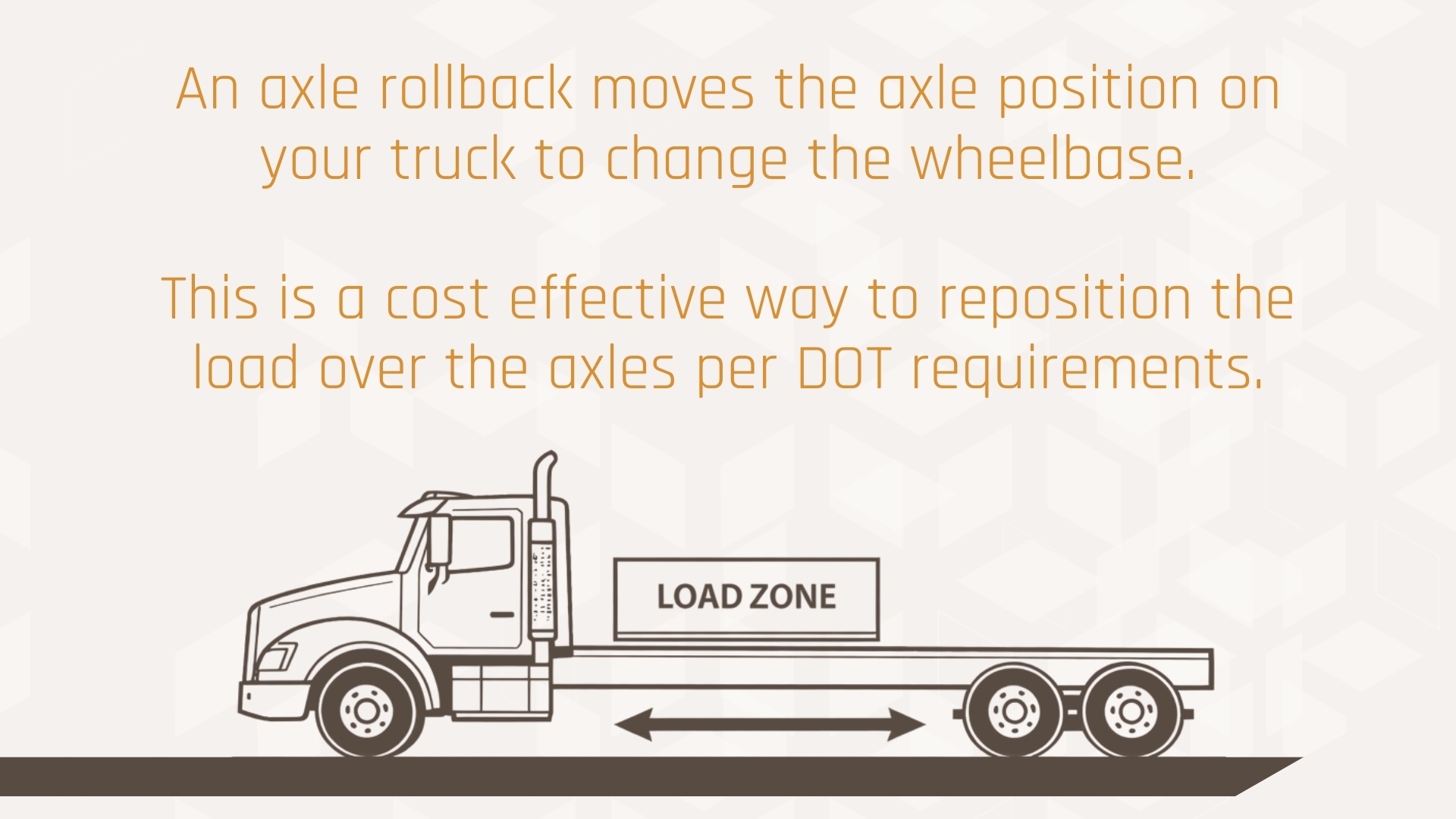
An axle rollback is a common practice in the trucking industry. It lets you move the rear axles forward or back on your existing chassis so the load lands where it should
This is a practical solution when you need to reconfigure your flat deck or service body for different work without replacing the entire chassis of your vehicle.
How the Process Works
On most commercial trucks, the cab sits over the front portion of the frame rails. The chassis rails extend behind the cab and the rear axles are mounted to the chassis at a set location. The distance between the front and rear axles is the wheelbase of the truck.
An axle rollback changes the wheelbase by unbolting the rear axle group and mounting it in a new position on the chassis. Depending on the job, the axles may be moved:
- Further back to support a longer body and a longer carry zone
- Further forward to bring weight back over the axle group
This is not a cosmetic change. It is a functional change that has significant implications for both practical use and compliance.
Why Wheelbase Matters for Operators
Wheelbase matters because it affects:
- Where your body can sit on the chassis
- Where your payload ends up
- How weight is spread across axles
- How the truck handles under load
A truck can have plenty of carrying capacity and still be a poor match for certain types of work if its load ends up in the wrong places during use.
Compliance Considerations
DOT standards and industry specific regulations focus heavily on axle weights and load distribution. If a body and payload push too much weight onto one axle group, it can impact operational safety and road worthiness.
These problems can prevent a truck from passing annual DOT inspections or random CVSA inspections. This can result in the vehicle being placed out of service, creating expensive problems for operators and the businesses that rely on their services.
An axle rollback is not just about improving the performance of a truck. It can be a crucial part of ensuring that a truck meets the regulatory requirements for the kind of work you perform.
Common Truck Types for Axle Rollbacks
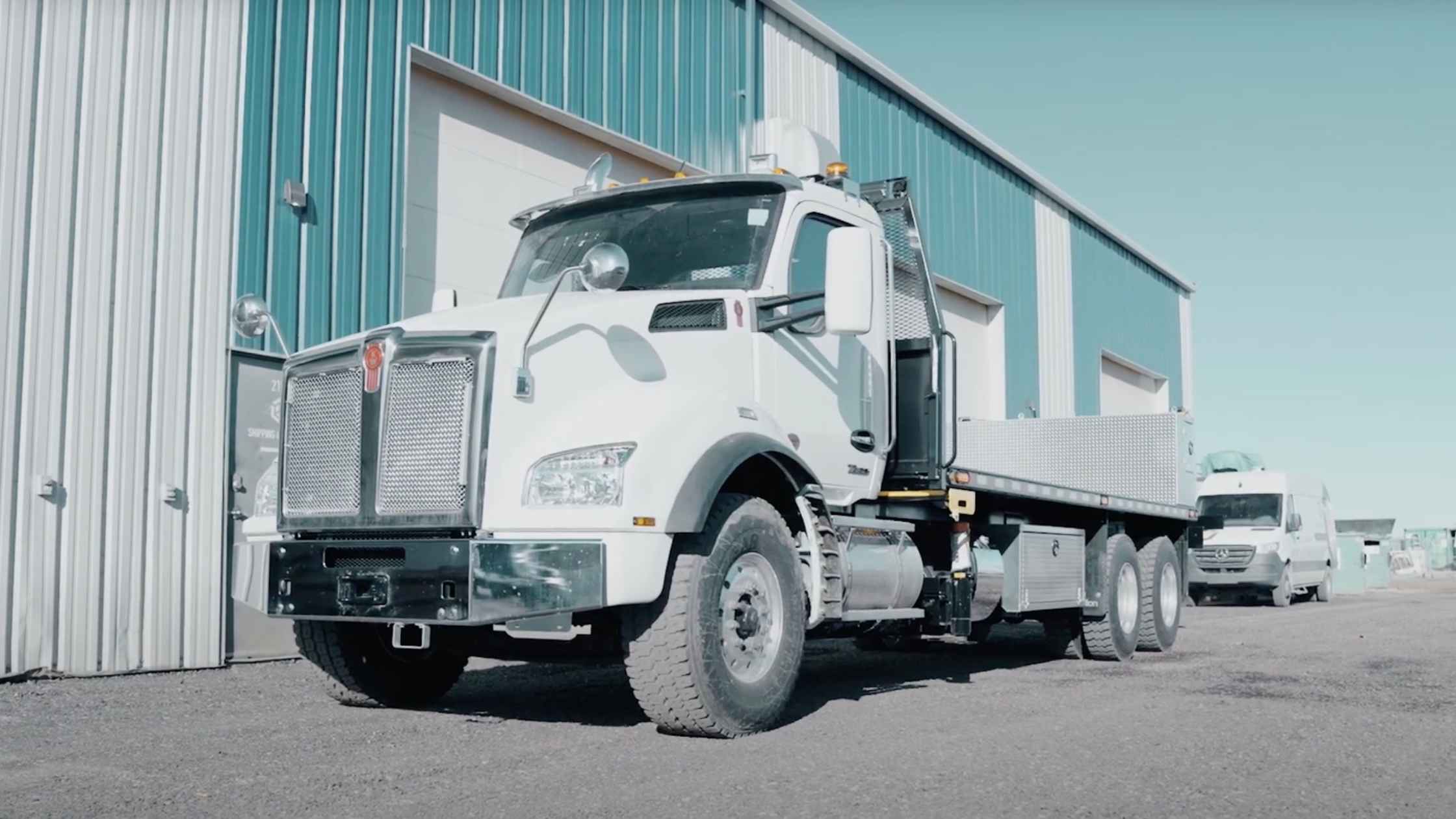
Axle rollbacks are more common on heavier trucks because the range of upfits is broader.
Class 7 or 8 trucks are used for a wide range of tasks that each distribute weight differently when the truck is under load. These trucks can also cost hundreds of thousands of dollars, so rolling back the axles is typically the most cost effective way to ensure that they can be used for other kinds of work than they were initially built to perform.
Rolling back the axles is less commonly performed for smaller trucks, but it is still requested by some operators. Core Fabrication has performed axle rollbacks for several 5500 class builds in cases where a specific body length or equipment package is involved.
Related: RAM 5500 Case Study
When Axle Rollbacks Make Sense
Axle rollbacks are typically recommended when:
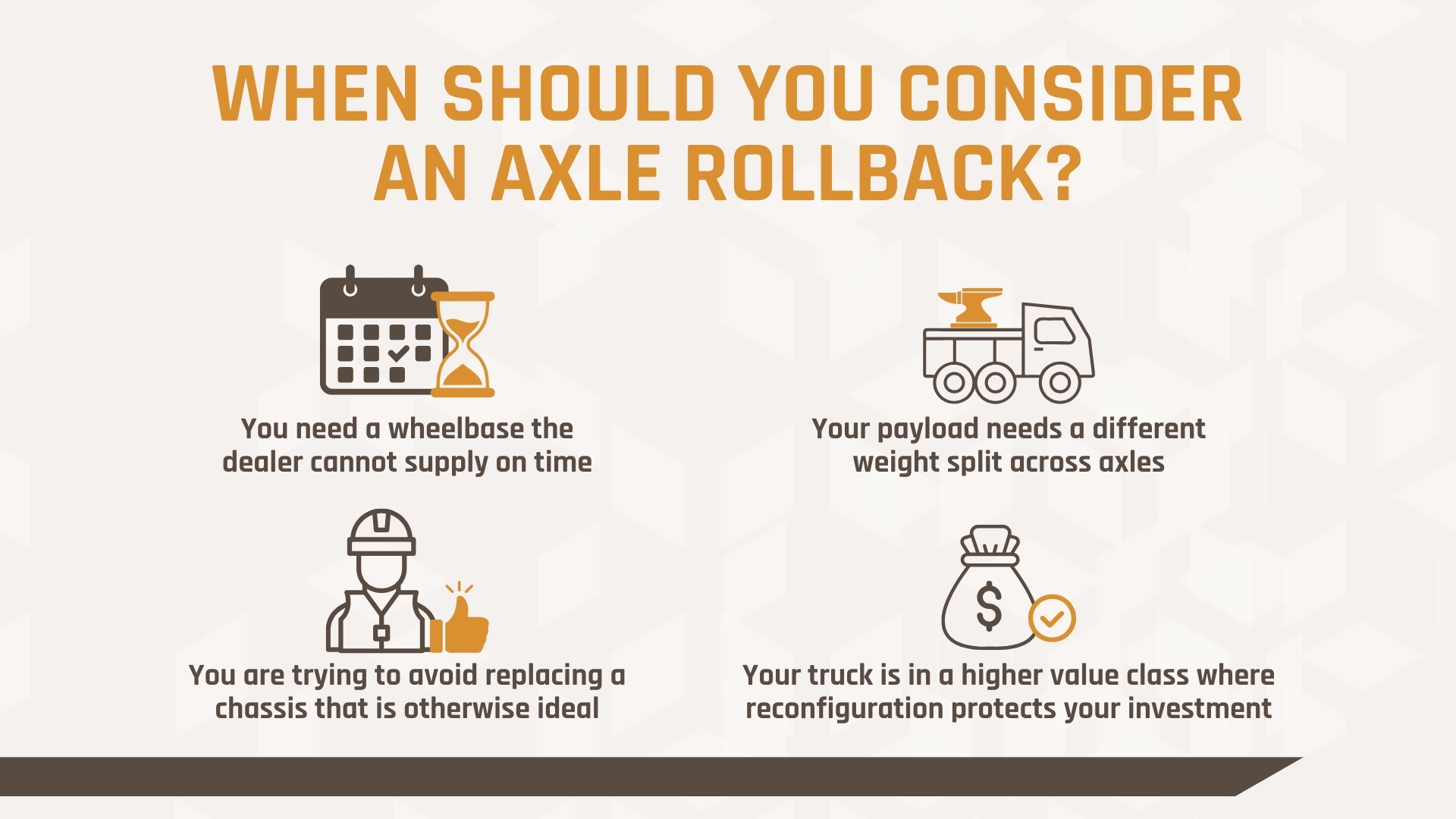
- You need a wheelbase the dealer cannot supply on time
- Your payload needs a different weight split across axles
- You are trying to avoid replacing a chassis that is otherwise ideal
- Your truck is in a higher value class where reconfiguration protects your investment
Keep the Chassis You Already Own
Most operators do not want to buy a brand new chassis if the nature of their work changes. They want an efficient way to adapt the truck they already have.
This is true of operators who have owned the same truck for years and those who have recently purchased. Here’s how an axle rollback can help in either case:
- Established owners save money while remaining familiar with the vehicles they already trust
- New owners no longer have to wait for a chassis that comes with the exact wheelbase they need
Core Fabrication’s Approach to Axle Rollbacks
As Calgary’s leading custom metal fabricators, our team takes a uniquely detailed approach to the rollback process. Here is what distinguishes our work:
- We always begin by considering the use case.
- We review chassis specs first so the rollback matches your truck’s real constraints and mounting points.
- We model the rollback in 3D before fabrication to confirm axle position, clearances and weight placement.
- We handle the rollback work in house so drafting, fabrication and quality control stay under one roof.
- We verify the work against the plan during final inspection so that the finished build leaves our facility CMVSS certified and ready for work.
If you need a specific wheelbase and the dealer cannot supply it, you still have options.
An axle rollback can reconfigure your existing chassis so a flat deck, service body, or specialized unit can be installed properly and carried correctly.
If you are planning an upfit and you are unsure whether the wheelbase will work, request a quote from Core Fabrication in Calgary. We can review your chassis specs, your application, and your load plan, then advise on the most practical path forward.